
When deciding on the installation of solar systems in India, one cannot consider panels and price at the beginning. One should first choose the types of solar systems appropriate for their needs. Depending on the type of solar system chosen, it will determine what the behaviour of the power will be daily.
The decision is more related to the way one utilises energy than anything else.
Why the System Type Matters More Than Capacity
It is natural that most people think about how many kilowatts are required by them, but that is secondary. The first and foremost thing is the way your energy source functions. Are there power cuts frequently at your place? Do you have any intention to cut down the cost of electricity or become independent from the power source altogether?
All solar panel systems are intended for certain purposes, and getting the right one is very important for its optimum functioning.
On-Grid Solar Systems
Grid-tied solar systems are prevalent in urban areas and industrial applications.
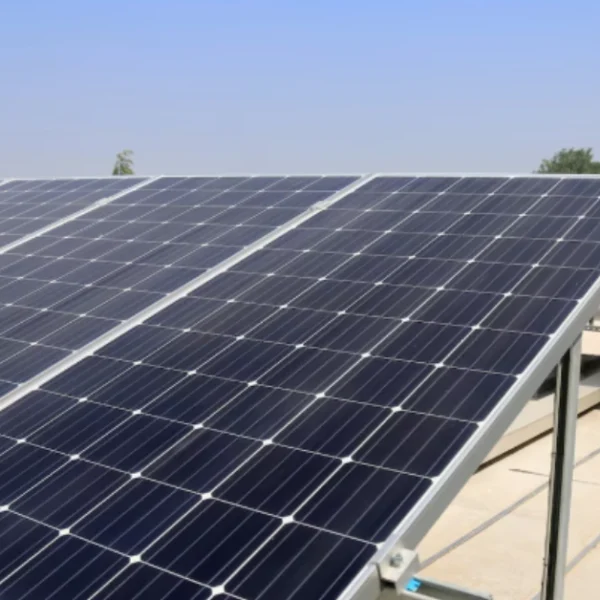
In these solar systems, the system is directly attached to the utility grid. The solar energy is converted into electricity, powering the load in the daytime, and any extra energy may flow back to the grid as per local regulations.
This is an added benefit; you cut down the cost of electricity without using batteries.
There is also a drawback to consider; in case of grid failure, the system stops operating.
This is ideal in places where there is an assured supply of power.
Off-Grid Solar Systems
Off-grid solar systems work independent of the grid.
Their dependence is on batteries that are responsible for storing power generated during the day.
Then the stored power is used in the absence of generation.
Such types of systems are popular among places that do not have a dependable electricity supply.
The advantage here lies in the independence you have from any outages.
However, such systems will cost you more due to high maintenance costs.
Batteries have to be managed properly, and the system has to cater for your needs exactly.
For India, an off-grid system should be planned properly.
Hybrid Solar Systems
Hybrid solar systems blend the advantages of both the on-grid and off-grid systems.
They remain grid-connected but have batteries too. In daytime, your system operates on solar energy. The extra energy could either be discharged or supplied to the grid. When there is a power failure, your system switches over to battery power.
This renders the hybrid system more versatile.
The system offers savings and reliability for large industries and high energy consumers. You become less dependent on grid power while at the same time remaining assured of a back-up system.
The importance of hybrid systems becomes more evident with increased demand for uninterrupted power supply in Indian cities.
How to Choose the Right System
No right choice exists. You have to know yourself to decide.
- When your grid power supply is steady and saving money is your intention, then grid-tied solar systems will be your best choice.
- In case your region experiences outages or does not even have a connection to the grid system, then you may go for off-grid solar systems.
- For both money-saving purposes and security reasons, hybrid solar systems would be the ideal choice.
Here, the benefits of using professional solar installation services come in handy.
The Role of Execution
The problem with solar systems does not arise from technology; it arises due to poor planning and installation. Factors such as load analysis, module positioning, inverter selection, and system integration all play a role in its performance. Even an optimal design will underdeliver when implementation remains flawed.
Here comes Innovel’s expertise with solar and energy systems into play. Case studies from diverse geographies reveal that it is system alignment with the ground reality that makes it perform optimally.
Hence, the choice of the best solar installation company should not be limited by prices but rather by how effectively the system matches your requirements.
Where This Is Heading
Solar use in India is increasing, but it’s adopting a more realistic method. Cost is not the sole determining factor for deciding upon an appropriate system anymore.
As power consumption and regional grid conditions continue to change, there is more interest shown for hybrid systems.
On the ground, the shift is already visible. The focus is moving from installation to performance.
FAQs
1. Does an off-grid solar system need batteries?
Ans: Yes, such solar systems make use of batteries in storing energy.
2. What benefit does the hybrid solar system offer?
Ans: It saves money for you and provides backup support as well.
3. How do I select the right solar installation services?
Ans: You must find one who evaluates all aspects of yours before offering a solution.