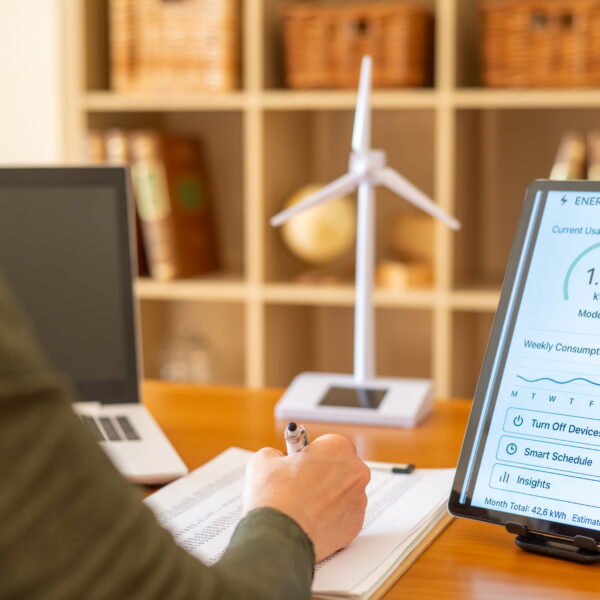

The reality of high energy costs does not only mean additional expenditures on your balance sheet but can also serve as an indicator of inefficiency in the way your facility operates.
This is where the concept of energy audits in facility management comes into play.
The purpose of such audits is not simply to gauge consumption levels but to uncover energy wastage and its causes.
Why Energy Use Often Goes Unnoticed
Often, building systems function around the clock without being constantly monitored. Heating, ventilation, and air conditioning run according to preset timings. Lighting runs for more time than is necessary. Equipment does not operate at its most efficient level.
Each of these, on their own, may not appear to be serious issues. Collectively, however, they result in consistent energy wastage.
The issue here lies in detection. If not assessed properly, these inefficiencies will go unnoticed. The bill reflects the overall cost, not the underlying reason.
This is precisely why an energy audit is not a choice. It is the first step towards gaining control.
What an Energy Audit Actually Reveals
An energy audit examines the way power is used in various systems.
This includes:
- Performance of HVAC systems and load patterns
- Lighting efficiency and cycles
- Condition of equipment and energy consumption
- Demand behaviour
Not broad strokes, but specifics. What systems use the most power? Areas where losses occur. Potential areas for improvement.
And with integrated facility management services, this does more than simply point out problems. It provides solutions.
From Data to Practical Changes
The true importance of energy audits in facility management comes down to what follows from this:
- Even small changes may yield positive outcomes.
- Changing the HVAC schedule according to actual occupancy levels,
- Improving lighting solutions and optimising their use.
- Balancing the loads across different systems.
- Checking and balancing the load of equipment using excessive energy.
Such modifications don’t require any huge investments, but they will help minimise energy usage considerably.
It’s the same principle that works with smart metering systems.
Improving Performance Across Facilities
Audits for companies with various facilities provide uniformity.
Facilities would operate differently without the presence of audits. Some may use too much energy without any apparent cause while others work well, but there are no established criteria.
Comparisons and adjustments become possible with organised evaluations. IFM solutions will aid in creating a systematic process for this.
Data collected from various places can be monitored, evaluated, and optimised continuously.
This will make facility management proactive instead of reactive.
Cost Control That Builds Gradually
Savings on energy consumption will hardly ever occur in a single step. Savings are made incrementally through several smaller changes.
The audit process reveals which areas have potential for improvement.
Saving load, increasing energy efficiency, and dealing with peak energy load all work toward reducing costs.
These savings will add up over time. The most important point about these savings is that they are sustainable.
The Role of Integrated Facility Management
It is much easier to conduct energy audits if they are integrated into a comprehensive management process.
When it comes to the operation of an entire facility, an integrated facilities management company will be able to make use of any suggestions made by the audit.
There is no need for coordination between the heating, ventilation, and air conditioning systems, electrical installations, and other maintenance activities.
The implementation of innovative technologies is also based on such principles.
Execution on the Ground
Audit processes can be the best in the world but have little value if not implemented.
There must be follow-up after audits have been carried out. Adjustments must be made and monitored.
Consistency is key, as is coordination among technical personnel and facility managers.
The results will speak for themselves. A reliable facility management services, such as Innovel Energy, become more efficient. System longevity improves. Facility operations become smoother.
Where This Is Heading
The facilities have become much more complex. The need for energy is growing, and the cost pressure is getting higher.
Thus, energy audits in facilities management have changed from an occasional procedure into a mandatory process. It allows achieving transparency necessary for efficient management of performance and cost.
This transformation has become apparent in practice. Organisations have started to switch from reactive management to analysis.
FAQs
1. What is an energy audit in facility management?
It is an analysis of the ways in which energy is used in a particular structure.
2. When should energy audits be performed?
It may vary depending on a certain structure; however, conducting audits on a regular basis will help ensure their efficiency.
3. Can energy audits save on electricity payments?
Yes, since energy audits can help minimise wasteful energy use and increase efficiency, they can reduce electricity costs.
4. What types of systems do energy audits cover?
Usually, audits include heating, ventilation, air conditioning (HVAC), lighting, electricity and other large systems.
5. Why integrate energy audits and IFM solutions?
Combining both allows for a consistent implementation of energy audit results.