
The Future Outlook of Turnkey Contracting in India is no longer just a future prediction, but it is happening right now all over India, as far as the construction of plants, projects related to power infrastructure, and commercial developments are concerned. Turnkey contracts are not restricted to the execution phase only; rather, they have gained importance in planning, technology implementation and performance also. It is a perfect match for companies like Innovel, which are experienced in providing energy solutions, intelligent grids, Turnkey solutions and IFM services.
The three most significant drivers of the Indian turnkey market are scale, pressure, and experience. The investments made in large-scale infrastructure projects still generate opportunities in many industries, while the limited budgets of these projects lead to pressure on efficiency and accountability. Besides, experience of dealing with previous problems of projects acts as a key driver.
Turnkey Becomes Outcome-Based, Not Task-Based
Previously, Turnkey projects were usually assessed by such criteria as on-time completion and keeping within budget limits. Nowadays, customers have higher requirements; they expect the system to have a long life and the ability to operate under difficult conditions, as well as reduced operational costs.
Therefore, the Turnkey infrastructure services approach changes from a focus on task delivery to a focus on outcomes. Irrespective of whether a Turnkey project involves a rural electricity installation project faced with varying demands or an urban commercial project trying to achieve its sustainability goals, the customer expects Turnkey firms should have an understanding of the challenges and offer tangible results. Many times, the success of companies which merge technical skills with practical experience exceeds those which adhere to the specifications of the project.
Outcome Over Time Has Become Paramount
With the changing nature of today’s infrastructure projects in terms of efficiency, performance, and adaptability, the emphasis is shifting towards long-term outcomes for Turnkey firms.
The Age of Smart Technologies Is Upon Us
Smart technologies are not only available on large IT campuses and high-end commercial developments anymore. These days, smart technologies are becoming more common in warehouses, health care institutions, manufacturing sites, and even rural infrastructural constructions to gain better efficiency and control over processes.
This change also alters the role of execution partners. The duties of fit-out service providers are slowly turning into the duties of Turnkey infrastructure service providers. Not only are modern projects concerned about the construction and installation of infrastructure, but modern projects include installing smart technology to improve efficiency.
Technologies of the Future
In smart infrastructure construction, the use of connected technology that improves the performance and control over the process of operations is included:
- IoT-based lighting and HVAC that respond automatically to the situation.
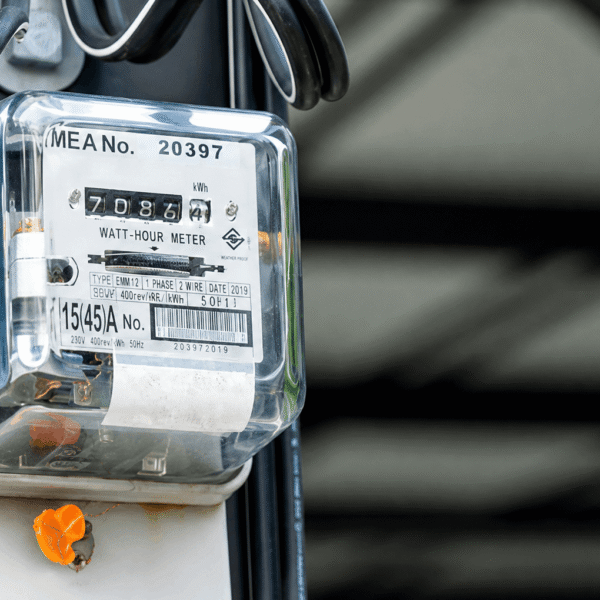
- Monitoring and measuring energy meters through central dashboards.
- Building automation systems that optimise energy consumption and performance.
- Sensors are installed on equipment to monitor for anomalies in its operation.
- Predictive maintenance technologies to decrease downtime.
- Remote monitoring solutions that provide real-time tracking at different locations of projects.
Why Is Predictive Monitoring Becoming Important
For instance, in India, any operational downtime leads to substantial financial loss, whereas the maintenance response may differ depending on the location. For this reason, the project owners would be interested in having infrastructures that have the elements of monitoring, analysis, and predictive maintenance from the beginning.
Sustainability Is Moving from Image to Compliance
Sustainability is not considered any longer an optional attribute that provides added value. In many industries, there is a clear trend towards the inclusion of environmental performance compliances into projects, specification documents, and expectations of the clients.
- Green Building Certification Standards
Certifications such as IGBC, GRIHA, and LEED have gained importance as modern standards for infrastructure projects. The clients today are increasingly expecting their partners in project implementation to be aware of sustainability compliances, certification standards, and procedures from the very beginning of cooperation.
- Sustainable Materials and Systems
The selection of materials and systems becomes very crucial for the planning of projects. Low-VOC finishing materials, recycled materials, energy-efficient HVAC, and water-efficient fixtures become increasingly common attributes of modern commercial and industrial buildings.
- Cost Optimisation Over Project Lifecycle
Project owners in India today pay more attention to the costs over the lifetime of a building than to the cost of its construction alone. Sustainable designs help to save money on energy consumption and maintenance.
Selecting the Correct Turnkey Partner for Sustained Growth
With the growing complexity of sustainability demands, the choice of the right project partner becomes an essential factor. Organisations tend to favour Turnkey partners who have knowledge in the field of energy systems and operational efficiency. It may be useful to know how to choose the right Turnkey partner through Innovel Energy in your project planning.
Digital Tools Are Decreasing Errors
Projects have continued to get increasingly complex in India, making precision, coordination, and visibility very crucial. The use of digital tools by Turnkey companies has been effective in ensuring that the following errors are reduced:
i) BIM Coordination: Building information modelling (BIM) can be used to detect design clashes even before construction commences.
ii) Digital Twinning: Digital twins will make it possible for there to be virtual models of physical assets which help in improving decision-making.
iii) VR Visualisations: With virtual reality, stakeholders can virtually visit sites and review the designs before implementation.
iv) Collaboration using Cloud: Collaboration among teams in cloud-based project management systems makes collaboration easier between contractors, teams, and clients.
v) Real-Time Analysis: This enables efficient monitoring of project status for effective cost and scheduling management.
Technology as a Competitive Advantage
For an Interior Fit-out Company in Kolkata, technology can no longer be considered a tool for enhancing operations. It has now become indispensable in handling the various challenges associated with time constraints, coordination of several parties, and achieving high accuracy levels. As client demands increase, technology-based execution has become a key factor in gaining a competitive advantage.
The future of Turnkey contracting in India depends on companies that have the capability to leverage both engineering skills and technology to execute their tasks. Technology is making it possible for Turnkey Companies to mitigate risks, minimise inefficiencies and achieve predictability of project results.
Hybrid Work Is Transforming Fit-Out Turnkey Work
- India’s office fit-out industry is poised to witness substantial growth in the years ahead due to the emerging demands in the workplace and shifting preferences among employees. Unlike the conventional offices, which were designed in fixed layouts, today’s workplaces emphasise flexibility and adaptability.
- The hybrid workplace has led to the need for modular spaces, mobile partitions, flexible power distribution systems, and technologically enabled workplaces. Consequently, many Turnkey projects have shifted their focus towards the transformation of existing commercial spaces instead of developing new ones. This becomes very crucial since a lot of India’s commercial buildings require modernisation to meet the needs of the contemporary era.
- The client expectations from the Turnkey partner are also being impacted due to these trends. Organisations increasingly prefer Turnkey partners who offer an integrated solution for implementation of technology, energy efficiency, compliance, and optimal workplace utilisation.
Momentum is Building in Tier-2 and Tier-3 Cities
The need for modern Turnkey infrastructure services models is increasing very fast beyond the big metro areas. With the development of industry, logistics, and businesses in the Indian subcontinent, smaller cities are playing an increasingly significant role as growth centres for infrastructure investments.
Unlike in the saturated metro environments, new cities are setting up new structures along with developing their existing infrastructures. Thereby, new avenues are opening up for Turnkey partners.
Urban Growth in Tier-2 Cities
Urban areas belonging to tier-2 cities have seen a rising need for industries, hospitals, colleges, schools, and modern offices. Firms operating in these locations are making use of more efficient systems, technology, and even IoT-enabled systems.
Infrastructure Development in Tier-3 Cities
The focus in tier-3 cities lies in developing reliable, scalable, and cost-effective infrastructure. Most projects undertaken in these cities include durable energy systems, utility networks, and operational solutions that can perform efficiently despite variable conditions.
Balancing technological developments with effective implementation will determine the Future Outlook of Turnkey Contracting in India significantly.
The Future of Turnkey Management in the Hands of Innovel
Turnkey contracts are no longer just about project delivery; they have a strategic role in modern infrastructure development. Projects today need partners who understand much more than the execution of projects and can contribute towards making these projects successful in the long run.
In the developing process of the Turnkey contracting method, precision is more important than quickness. If you have to decide upon any matter concerning infrastructure, energy, or fit-out in India, discussing with people who know about these conditions will definitely provide some perspective before taking any decision.
The emphasis for organisations looking towards the Future Outlook of Turnkey Contracting in India must be on partnering with companies that have the expertise to provide the right balance between technology, reliability, and scalability. This is what Innovel Energy can do for you as a company to help create future-ready infrastructure solutions for the dynamic Indian market environment. With a multidisciplinary team of experts in energy, infrastructure, Turnkey execution, and facility management, we help transform project needs into efficient solutions.
FAQs
- How essential is compliance in Turnkey projects today?
This has turned into a critical project requirement and not something that can be ignored in today’s world. Many developments related to the commercial, industrial, and institutional sectors are now seeking compliance with green building requirements and sustainable benchmarks in planning itself.
- Is Turnkey contracting in India going the way of technology-driven projects?
Indeed. Smart monitoring systems, automation software, IoT-enabled facilities, and predictive maintenance systems have started forming a part of Turnkey projects. Technology is being used even in facilities located outside the metros for efficiency and reduced downtimes, among other benefits.
- Are Turnkey projects feasible in rural India?
Definitely. With proper planning and design based on local operational conditions, Turnkey projects can operate reliably in rural India.
- Why are digital technologies such as BIM seeing greater use in India?
BIM and other technologies enable coordination and help avoid any errors in design before the process of construction starts.
- What is EPC contracting?
The letters EPC refer to Engineering, Procurement, and Construction. EPC Contracting refers to the practice where one contractor handles all aspects of engineering, procurement, and construction within one integrated process.
- Why is there an increasing emphasis on infrastructure project management in Turnkey delivery?
The significance of infrastructure project management can be attributed to the rising complexity and size of the project, which helps in scheduling, budgeting, controlling quality, and managing risks effectively.