
Walk into a large shopping mall, IT park, hospital, or corporate campus in India, and the scale of energy use becomes obvious. Escalators running all day. Air conditioning is working against tropical heat. Lighting that rarely turns off.
For facility managers, electricity bills quietly grow into one of the biggest operational expenses. Which is why energy-efficient facility operations are no longer just a sustainability goal. They are a financial necessity.
In practice, most commercial buildings in India still have untapped opportunities to reduce energy use. Not through dramatic changes. Often through smarter management, better equipment, and a more integrated way of running facilities.
Understanding Where Energy Actually Goes
Before any strategy begins, the real question is simple. Where is the energy being consumed?
In large commercial buildings, three systems typically dominate electricity usage. HVAC systems, lighting, and vertical transport, like lifts or escalators.
In India’s climate, cooling alone can account for 40 to 60 percent of a building’s energy consumption. Shopping malls in cities like Mumbai, Bengaluru or Kolkata face this daily reality. Long summers and humid conditions make air conditioning unavoidable.
This is where energy audits become valuable. Experienced teams providing integrated facility management solutions often start with detailed monitoring. Once consumption patterns become visible, waste becomes easier to fix.
It sounds basic. But many buildings still operate without clear energy visibility.
Smarter HVAC Management Makes the Biggest Difference
Cooling systems deserve the most attention because they offer the biggest savings potential.
In practice, facility managers often discover that HVAC systems run longer than necessary or operate inefficiently due to poor maintenance. Dirty filters, incorrect thermostat settings, and aging chillers slowly push energy consumption upward.
Even small adjustments matter.
Variable frequency drives on air handling units can regulate airflow based on real demand. Smart building management systems allow cooling to respond to occupancy levels instead of running at full capacity all day.
Regular preventive maintenance also plays a quiet but important role. Well-maintained chillers and compressors simply consume less power.
This is one reason large campuses increasingly rely on reliable facility management services. Energy optimization becomes part of routine operations rather than a one-time project.
Lighting Efficiency Is Still an Easy Win
Lighting upgrades remain one of the fastest ways to cut electricity consumption in commercial facilities.
Many Indian retail outlets and office buildings have already shifted from conventional fixtures to LED lighting. The savings are immediate, and the maintenance requirements drop significantly.
But lighting efficiency is not just about replacing bulbs.
Daylight integration can reduce artificial lighting during daytime hours. Motion sensors help control lighting in corridors, washrooms, and parking areas. Timers prevent lights from running unnecessarily after closing hours.
In shopping environments, especially, lighting design often prioritises aesthetics over efficiency. A balanced approach helps maintain visual appeal without wasting electricity.
Energy Monitoring Brings Operational Discipline
One of the quiet transformations in modern energy-efficient facility operations is the rise of real-time monitoring.
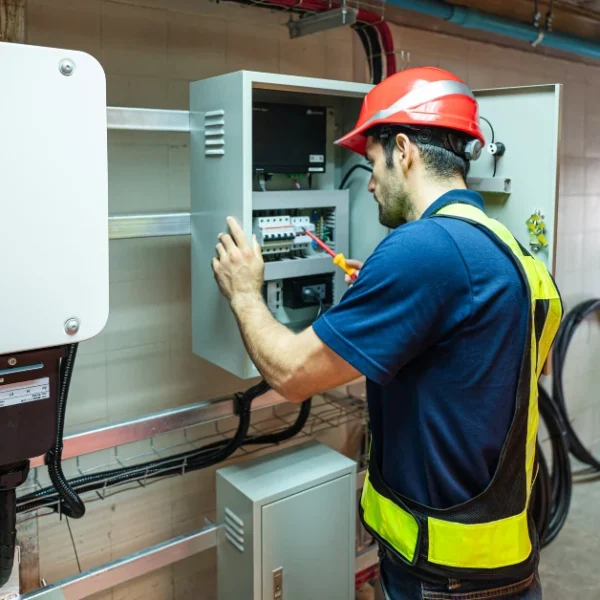
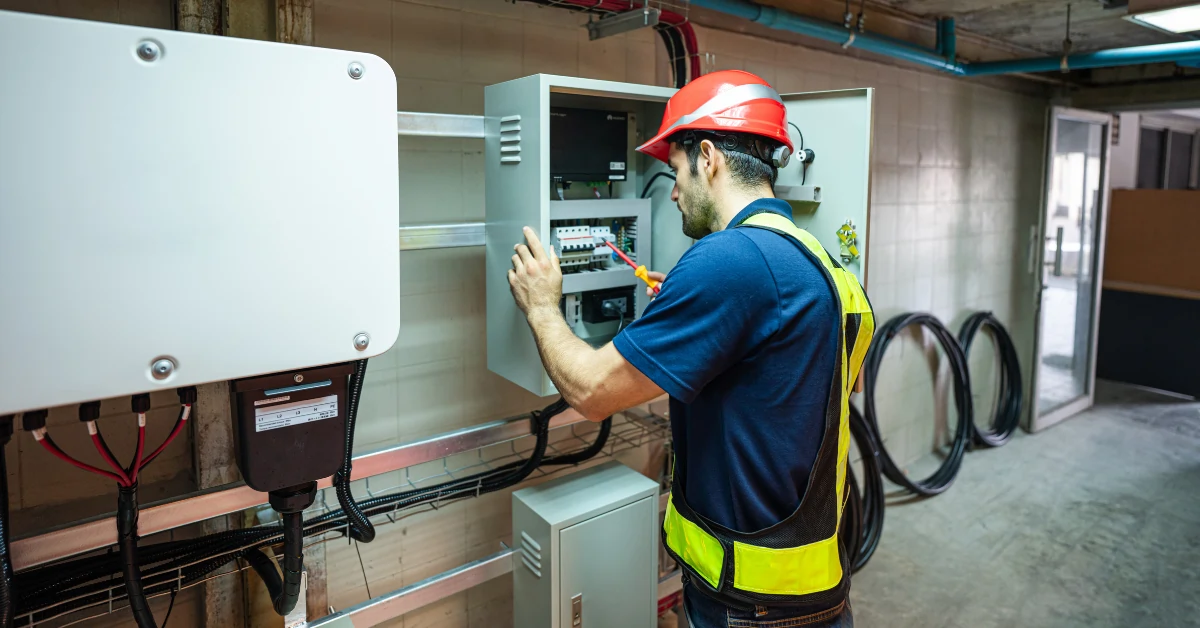
Digital energy meters and building management platforms now allow facility teams to track electricity consumption across different systems. Chillers, lighting circuits, lifts, food courts. Everything can be monitored.
This visibility changes behaviour.
When managers can see consumption spikes immediately, corrective action becomes faster. Equipment faults get identified earlier. Energy waste becomes visible rather than hidden in monthly electricity bills.
In large facilities, this discipline adds up to significant savings over time.
Rooftop Solar Is Becoming Part of the Energy Mix
Large commercial rooftops often remain underutilised.
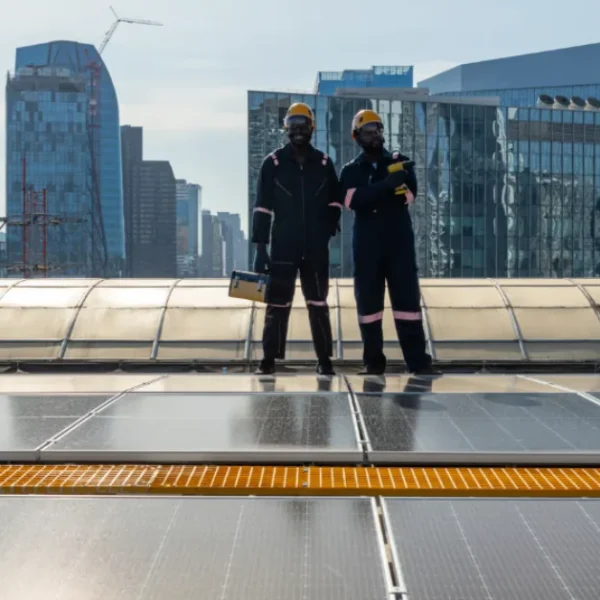
Warehouses, retail complexes, and corporate campuses typically have substantial roof area suitable for solar installations. In many Indian cities, these systems now generate electricity at a lower cost than grid power.
Solar alone will not run an entire commercial building. But it can offset a meaningful share of daytime consumption, particularly for cooling and lighting loads.
For organisations already exploring IFM solutions, integrating solar generation with facility operations is becoming a natural extension of energy management.
The idea is simple. Generate part of the energy on site and manage the rest more intelligently.
Behaviour Still Matters More Than Technology
Technology helps, but human behaviour still shapes energy consumption inside buildings.
Employees are leaving lights on overnight. Escalators run when footfall is low. Cooling systems are set too aggressively. These patterns are commonly seen in India.
Energy awareness programmes inside organisations often deliver surprising results. When teams understand the cost implications of energy waste, habits gradually change.
Facility managers who combine technology upgrades with staff awareness usually see more consistent improvements.
Looking at the Facility as One Integrated System
Energy saving works best when the building is treated as a connected ecosystem rather than separate departments.
Cooling affects lighting loads. Occupancy patterns affect ventilation. Maintenance schedules affect equipment efficiency.
This is exactly why many large organisations now adopt integrated facility management solutions instead of fragmented service contracts. The same team monitors maintenance, energy use, safety systems, and operational efficiency together.
Companies like Innovel work within this integrated approach, where facility operations, sustainability goals, and cost optimisation are considered together rather than in isolation.
Over time, that perspective tends to produce more stable and predictable results.
FAQs
1. What is the biggest source of energy consumption in commercial buildings?
HVAC systems usually consume the most electricity, often accounting for up to half of total building energy use.
2. Can facility management help reduce energy costs?
Yes. Professional, reliable facility management services optimise HVAC, lighting, maintenance, and monitoring to improve efficiency.
3. Are solar panels suitable for retail and commercial buildings?
Large rooftops in malls, warehouses, and offices are well-suited for solar installations that offset daytime power consumption.
4. What are IFM solutions in facility management?
IFM solutions combine maintenance, energy management, safety, and operational services under one integrated framework.
Energy efficiency rarely happens through one dramatic upgrade. It usually comes from dozens of thoughtful improvements across systems and daily operations. For organisations managing large facilities, speaking with professionals experienced in energy-efficient facility operations and integrated facility management in India can often reveal opportunities that are easy to overlook from inside the building.