

The Future Outlook of EPC Contracting in India is no longer theoretical. You already see it changing on factory floors, village substations, and mid-sized office buildings across tier-2 towns. In practice, EPC has moved away from execution-only roles. It now sits closer to planning, technology, and long-term performance. For a brand like Innovel, working across energy systems, smart grids, EPC, and IFM, this shift feels familiar rather than futuristic.
India’s EPC market is being shaped by scale, pressure, and learning. Pressure from tighter margins. Scale from nationwide infrastructure demand. And learning from projects that did not go as planned.
EPC Is Becoming Outcome-Oriented, Not Task-Oriented
Earlier, EPC turnkey projects were judged on whether they were completed on time. Today, you are asked harder questions. Will the system perform for 20 years? Will it survive Indian heat, dust, voltage fluctuation, and irregular usage patterns? Will it reduce operating costs?
This is why EPC Infrastructure Service models are changing. Clients, especially institutional and industrial buyers, expect EPC partners to think beyond drawings. In villages, solar and power projects must handle erratic loads. In cities, commercial systems must align with ESG reporting and energy audits.
In real Indian projects, EPC partners who understand ground realities now outperform those who only follow specifications.
Smart Technologies Are Quietly Becoming the Default
Smart integration is no longer limited to IT parks in Bengaluru or Gurgaon. It is spreading to warehouses, hospitals, and even rural facilities.
For fit-out service providers, this marks a turning point. The role now overlaps with that of an EPC Infrastructure Service provider. You are no longer just installing panels or partitions. You are integrating systems.
Commonly seen trends include:
- IoT-enabled lighting and HVAC that adjusts to occupancy.
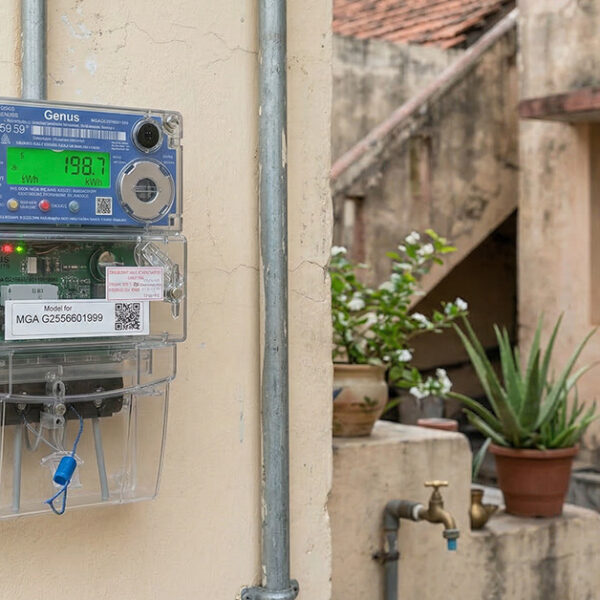
- Smart meters are linked to central dashboards for energy tracking.
- Sensors that flag equipment stress before breakdowns happen.
Predictive maintenance matters in India because downtime is costly and repairs are slow. This is why EPC turnkey projects increasingly include monitoring layers from day one.
Sustainability Has Shifted From Image to Compliance
Sustainability used to be aspirational. Now it is contractual.
Green certifications like IGBC, GRIHA, and LEED are no longer optional in many projects. Clients expect EPC partners to know the documentation, not learn it mid-project.
This affects material choices and system design. Low-VOC finishes, recycled steel, efficient HVAC, and water-saving fixtures are becoming standard. In practice, these decisions can cut operating costs by 20 to 30 percent over time. That matters deeply to Indian buyers who think in lifecycle cost, not just CAPEX.
This also explains why EPC Infrastructure Service providers with energy expertise are gaining trust faster than pure construction players.
Digital Tools Are Reducing Costly Mistakes
One uncomfortable truth in India is that many EPC projects are still running over. Sometimes for months. Sometimes by budgets that no one admits openly.
Digital tools are slowly fixing this.
BIM and digital twins help detect clashes before they become site-level disasters. VR walkthroughs allow clients to approve layouts without guesswork. This is especially useful for office and commercial projects outside metros, where rework delays can stall entire buildings.
For an Interior Fit-out Company in Kolkata, these tools are no longer luxuries. They are survival tools. The same logic applies nationally as projects spread across states with different regulations and labour conditions.
Hybrid Work Is Reshaping Fit-Out EPC Work
The Indian office fit-out market is projected to grow from ₹277 billion in 2023 to ₹805 billion by 2030. That growth is not coming from glass-heavy, fixed layouts.
Hybrid work has changed expectations. Offices now need modular spaces, movable partitions, and adaptable power layouts. EPC turnkey projects in this segment often involve retrofitting older stock. Over 300 million square feet of Indian commercial space needs upgrading to meet modern digital and green standards.
An Interior Fit-out Company in Kolkata or a tier-2 city is now expected to handle tech integration, energy optimisation, and compliance. Decoration alone is not enough.
Tier-2 and Tier-3 Cities Are Where Momentum Is Building
You see this clearly if you work on the ground. Demand for modern EPC Infrastructure Service models is rising faster in smaller cities than in saturated metros.
Industrial sheds, logistics parks, rural institutions, and mid-scale offices need reliable energy, not flashy design. Innovel’s pan-India exposure aligns well with this reality. Rural projects demand robustness. Urban projects demand intelligence. EPC partners must handle both.
This balance will define the Future Outlook of EPC Contracting in India.
What This Means for Decision-Makers Like You
If you are evaluating EPC partners today, you should look beyond price and timelines. Ask how they plan for maintenance. Ask how systems will age. Ask how technology will be supported locally.
The next decade will reward EPC players who combine execution discipline with systems thinking. Not loudly. Quietly. Project by project.
FAQs
Is EPC contracting in India moving more toward technology-led projects?
Yes. Smart systems, monitoring, and automation are becoming standard even in non-metro projects.
How important is sustainability compliance in EPC projects now?
It is critical. Many projects require IGBC or GRIHA compliance as a baseline, not an upgrade.
Are EPC turnkey projects viable in rural India?
Yes, when designed for load variability, climate stress, and local maintenance capability.
Why are digital tools like BIM gaining adoption in India?
They reduce rework, cost overruns, and coordination errors common in multi-vendor projects.
As EPC contracting evolves, clarity matters more than speed. If you are navigating infrastructure, energy, or fit-out decisions in India, speaking with professionals who understand local conditions can bring perspective before commitments are made. Sometimes, that conversation itself saves more than any specification ever could.