
If you work closely with a DISCOM in India, you already know the real problem is not power generation. It is power reaching the meter and getting paid for. In practice, DISCOM efficiency improvement begins at the last mile, where billing gaps, theft, delayed payments, and manual errors quietly eat into revenue. Smart metering is not a shiny upgrade. It is a correction to long-standing operational leakage.
Across India, AT&C losses still hover around 17 percent in many states. That number is not abstract. It shows up as stressed balance sheets, delayed salaries, and limited funds for network upgrades. Smart meter solutions, backed by the RDSS programme, are trying to fix this from the ground up.
Why Smart Metering Actually Matters In Indian Conditions
Manual meters struggle in Indian realities. Heat, dust, voltage fluctuation, and human handling all add error. Add long rural feeders and mixed consumer behaviour, and billing accuracy drops fast. In villages, delayed readings and estimated bills are common. In cities, tampering is more subtle but equally damaging.
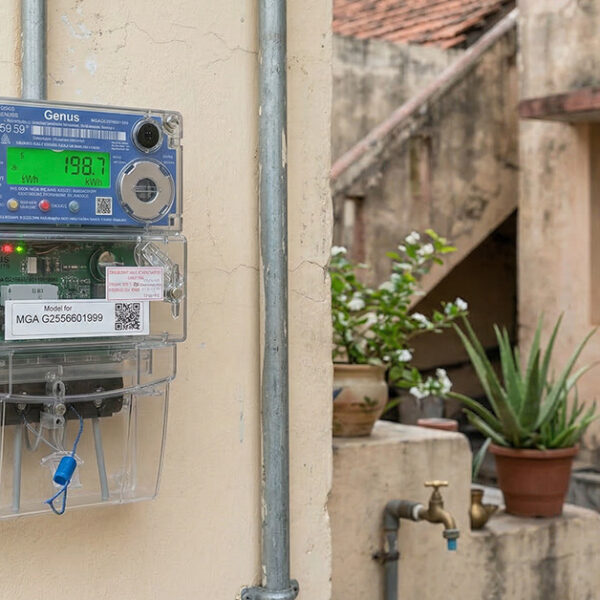
Smart meter solutions remove guesswork. They record consumption precisely, transmit data automatically, and flag anomalies instantly. You stop arguing over bills and start managing energy. Another important feature of smart meters is that they are tamper-proof, which helps avoid power theft. That shift is what drives real DISCOM efficiency improvement, not just technology adoption.
Under RDSS, India is targeting 250 million smart prepaid meters by 2026. The intent is clear. Bring AT&C losses below 12 percent, improve collection, and restore trust between utilities and consumers.
What Smart Meters Are Changing On The Ground
In areas where smart meter installation has been completed properly, the results are visible within months. Loss levels have dropped from 17.9 percent to 8.6 percent in some circles. That does not happen by accident.
Prepaid functionality plays a big role. When payment happens before consumption, arrears stop growing. Cash flow becomes predictable. For DISCOMs that depend on monthly collections to pay generators, this is critical. You also notice a behavioural shift. Consumers monitor usage more closely when the balance is visible.
Advanced Metering Infrastructure ties it together. AMI enables real-time monitoring, theft detection, and feeder-level analysis. High-loss pockets stand out immediately. Field teams are no longer guessing where to act.
Billing accuracy also improves sharply. Automated readings bring errors close to zero. In India, where billing disputes often escalate into political issues, this matters more than spreadsheets admit.
System Metering And Deeper Visibility
One overlooked benefit is system metering. Smart meters installed at feeders and distribution transformers give you energy accounting clarity. You can see exactly where losses occur. Rural feeders with mixed agricultural loads become easier to manage. Urban commercial clusters show clear demand patterns.
This level of visibility supports better planning. Load balancing improves. Outage response becomes faster. Even peak demand management feels less reactive.
Innovel’s experience across pan-India projects shows that DISCOMs often underestimate how much operational calm this brings. Fewer complaints. Fewer surprises. More control.
How Deployment Really Works Under RDSS
RDSS supports smart meter installation through PPP models. Most projects follow the TOTEX approach. Capital and operational costs are bundled, and AMISPs manage the system for up to ten years. This reduces upfront financial stress for DISCOMs.
Technology integration is no longer basic. IoT-enabled meters combined with AI analytics help forecast demand and implement Time of Day tariffs. This is especially relevant in states experimenting with load-based pricing and rooftop solar.
Smart meter solutions also support net metering. As residential solar grows, especially in semi-urban belts, accurate bi-directional measurement becomes essential.
You already see this in several regions where prepaid meters and AMI are improving both collection and consumer engagement. Similar patterns involving smart meters in West Bengal are emerging elsewhere.
Revenue Impact Is Not Theoretical
EESL-led programmes have shown revenue improvements of over 20 percent in participating states. That figure reflects reduced losses, faster collections, and lower operational costs. In practical terms, DISCOMs get breathing room.
For rural areas, the impact is quieter but deeper. Reliable billing builds confidence. Power quality discussions become data-driven. Farmers understand consumption patterns better when usage is transparent.
Smart meter installation, when done with local awareness and proper consumer communication, avoids resistance. Ignoring that human layer is where projects stumble.
Where Innovel Fits Into This Picture
Innovel works primarily in the B2B space, supporting energy systems, smart grid, and smart meter deployment and management for DISCOMs. The core strength lies in understanding the Indian power consumption pattern.
That experience matters. Smart meters fail when treated as hardware projects. They succeed when aligned with operations, training, and data use. Innovel’s approach reflects that balance, especially in village-focused deployments where trust is as important as technology.
FAQs
How do smart meters reduce AT&C losses?
They eliminate manual errors, detect theft instantly, and improve payment discipline through prepaid billing.
Is smart metering suitable for rural India?
Yes, when deployed with proper feeder mapping and local engagement, rural areas show great improvements.
What is the role of RDSS in smart metering?
RDSS funds and structures large-scale smart meter installation across India under PPP models.
Are smart meters secure against tampering?
Modern smart meter solutions detect tampering in real time and trigger immediate alerts.
If you are part of a DISCOM team or an implementing agency, it helps to speak with professionals who have seen smart meter projects succeed and fail across Indian conditions. Sometimes clarity comes not from more data, but from grounded experience.