
If you live or work anywhere in India today, you feel the change. Solar is no longer a “future option.” Solar Energy in India has quietly become a daily reality, from factory rooftops to village homes. In practice, this shift is not driven by idealism. It is driven by rising power demand, unstable grid supply in many regions, and a clear need for cost control.
India has crossed 130 GW of installed solar capacity and now ranks among the top three solar markets globally. What matters more is how this growth is changing behaviour. Decision-makers are no longer asking whether solar works. They are asking how fast they can deploy it and who can execute it reliably.
Where India’s Solar Growth Is Actually Coming From
Large solar parks still matter. Sites like Bhadla in Rajasthan and Pavagada in Karnataka remain symbols of scale. Yet, what you commonly see on the ground is different. The real momentum is shifting toward distributed systems.
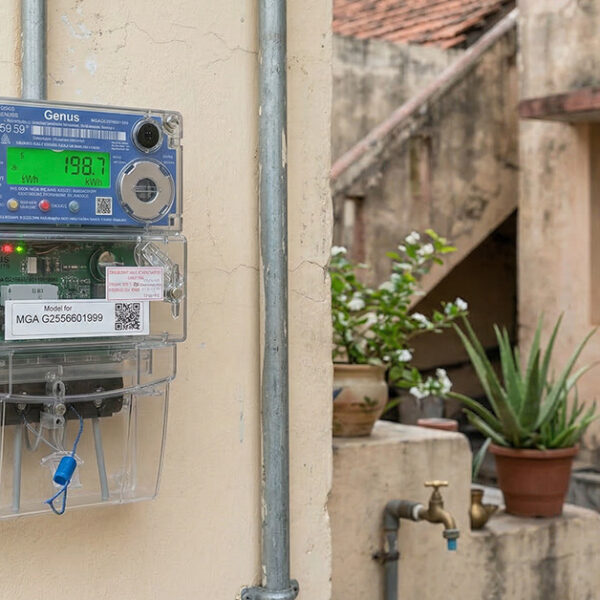
Rooftop adoption has accelerated sharply under PM Surya Ghar. Close to 24 lakh households have already installed systems, and the pace continues. For many families, solar power for homes is less about climate goals and more about predictable electricity bills and fewer outages.
In cities, commercial rooftops are filling up. In villages, solar is becoming a reliable substitute where grid quality remains uneven. This dual reality is shaping how solar installation services are planned and delivered across India.
Manufacturing, Storage, and the Confidence Shift
One quiet but critical change is domestic manufacturing. India’s Solar Module Manufacturing capacity has seen unprecedented growth, crossing 144 GW per annum by early 2026. Capacity is expected to exceed 165 GW by March 2027. This matters because buyers now expect shorter timelines and fewer import-related surprises. In real projects, this stability reduces risk.
At the same time, hybrid systems are gaining ground. Solar paired with wind and battery storage is no longer experimental. Round-the-clock power contracts are being signed because industries need consistency, not just low daytime tariffs.
For factories and warehouses, solar panels for business are increasingly designed with storage in mind. This allows load shifting and smoother operations throughout the day. It is also pushing large companies toward in-house generation. You often see industrial clients choosing ground-mounted plants near facilities, while urban offices rely on rooftops.
This is also where experienced EPC players matter. Choosing the best solar company in India is not about branding alone. It is about understanding grid approvals, land norms, weather conditions, and long-term operations.
Rural India Is Not Waiting Anymore
In villages, the story is practical. Cold storage units, water pumps, schools, and health centres need dependable power. Diesel is expensive. Grid supply is inconsistent. Solar fills the gap.
In many rural deployments, solar power for homes is paired with small commercial systems serving local enterprises. These projects require patience, local understanding, and long-term maintenance planning. This is where India-focused execution experience becomes essential.
You will also notice that rural buyers value trust over speed. They ask who will service the system after five years. This question shapes how solar installation services are structured in non-urban regions.
What the Next Few Years Are Likely to Look Like
India aims to reach 500 GW of non-fossil capacity by 2030. Solar will carry a large share of this load. Foreign investment continues to flow, particularly into utility-scale and hybrid projects. At the same time, domestic demand is becoming more mature.
Costs are stabilising. Technology is improving incrementally, not dramatically. The big shift is in mindset. Solar is now treated as infrastructure.
Brands like Innovel operate across this spectrum, from B2B energy systems and EPC projects to residential deployments, often working in both urban centres and village clusters. This balanced approach reflects where India actually stands today.
FAQs
How long does a rooftop solar installation take in India?
Typically 2 to 4 weeks, including approvals, depending on local discom processes.
How do you choose the best solar company in India?
Look for execution history, O&M capability, and experience with the Indian grid and climate conditions.
Solar decisions in India are rarely rushed. People watch neighbours, track bills, and ask practical questions. If you are exploring solar, speaking with professionals who work across Indian conditions can help you understand what fits your location, usage pattern, and long-term expectations.