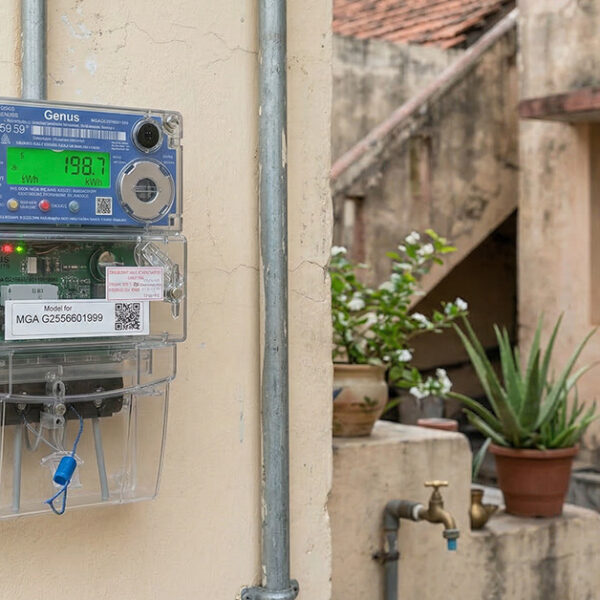


Grid reliability in India’s industrial corridors has entered a new phase of complexity. As of late 2025, India successfully reached 51.5% non-fossil capacity — a milestone for sustainability, but a new challenge for power quality.
The Quality Crisis: Why 51.5% Matters to Your P&L
While the grid is “available,” its quality is increasingly volatile. The high penetration of inverter-based renewables has introduced voltage harmonics that are now the primary cause of frequent trips in sensitive Variable Frequency Drives (VFDs) and Programmable Logic Controllers (PLCs).
The Uptime Gap: A Performance Audit
Recent performance audits in high-load industrial clusters like Chakan, Sriperumbudur, and Peenya reveal a stark divide in operational resilience:
The 26% delta isn’t just a number — it’s the difference between meeting global delivery commitments and facing expensive production cascades.
The Engineering Advantage: The 2026 Hybrid Standard
To bridge this gap, forward-thinking CFOs and COOs are moving away from passive consumption toward Active Microgrids. Grid Forming Inverters: Unlike legacy solar setups, 2026-grade Hybrid systems utilize grid forming inverters. These act as an active buffer, maintaining a stable local micro-grid frequency even during DISCOM supply sags.
Harmonic Mitigation
Industrial Battery Energy Storage Systems (BESS) now serve a dual purpose: they function as active power filters, “cleaning” dirty power and preventing machine level tripping.
AI-Driven Load Balancing
Real-time AI monitoring within hybrid assets typically identifies 20%–35% energy waste by balancing peak loads against stored energy, preventing surcharges and thermal stress on equipment.
The Strategic Mandate
The objective has evolved. It is no longer just about reducing the monthly electricity bill; it is about insulating your production line from a grid that is becoming increasingly dynamic and volatile.
The Goal
Transition your facility from a passive consumer to an autonomous, resilient microgrid. In 2026, energy autonomy is the ultimate competitive advantage.
Partha P Chatterjee
CEO, Innovel Energy