
Facility management in India has changed quietly but deeply over the last decade. Buildings are larger, expectations are higher, and margins are tighter. In this environment, Technology in Facilities Management is no longer a support function. It is a core operational tool. For businesses managing retail spaces, warehouses, offices, factories, hospitals, or large campuses, technology now decides how efficiently a facility runs every day.
From local projects across Indian cities, it is clear that manual systems cannot keep up with scale, climatic conditions, and compliance needs. Technology helps facility teams move from firefighting to planned control.
Why technology matters in Indian facilities today
Indian facilities face unique realities. Extreme heat affects HVAC loads. Power fluctuations strain equipment. High footfall increases wear and tear. Labour availability can change quickly. In practice, technology helps facility managers respond to these challenges with clarity rather than guesswork.
Modern tools bring systems together. They reduce dependency on paper logs, phone calls, and delayed reporting. This shift is why Technology in Facilities Management is now central to professional operations.
Smart buildings and IoT in daily operations
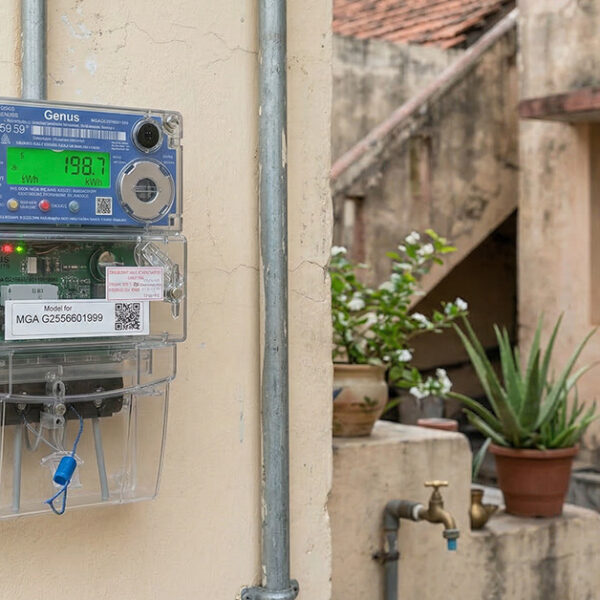
IoT sensors form the foundation of smart buildings. These sensors track temperature, air quality, energy use, water flow, and occupancy in real time. In Indian office parks and IT campuses, this data helps optimise HVAC and lighting based on actual usage, not assumptions.
This matters during long summers when cooling costs rise sharply. Facilities that rely on sensor data avoid overcooling empty spaces and reduce energy waste without affecting comfort.
Predictive maintenance over reactive repairs
Reactive maintenance is common in older Indian buildings. Equipment is fixed only after it fails. Predictive maintenance changes this pattern. AI and analytics study performance trends and warn teams before breakdowns happen.
From local manufacturing units to commercial complexes, predictive maintenance reduces downtime and extends asset life. It also helps plan budgets realistically instead of facing sudden repair costs.
Centralised control through building automation systems
Building Automation Systems bring HVAC, lighting, energy meters, fire safety, and security onto one platform. Facility managers get a single view instead of juggling multiple dashboards.
In practice, this central control reduces response time. A fault is detected early. Actions are logged. Accountability improves. This is especially valuable for multi site portfolios common in India.
Data analytics for informed decisions
Data alone has little value unless it leads to action. Analytics tools turn raw data into insights. They highlight energy peaks, repeated faults, and underperforming assets.
A facilities management company using analytics can justify upgrades, plan replacements, and prove performance to clients. Decisions become measurable and defensible, which builds trust.
Mobile and cloud platforms on the ground
Mobile apps and cloud systems have changed how teams work on site. Technicians receive tasks instantly. Photos, checklists, and reports are updated in real time.
In Indian conditions where sites are spread across cities, cloud platforms reduce delays and miscommunication. Documentation stays consistent, even with changing staff.
Security and safety with intelligent systems
AI-powered surveillance and biometric access improve security without increasing manpower. Remote monitoring allows faster responses and better incident tracking.
This is commonly seen in business parks and healthcare facilities where safety expectations are high and compliance is strict.
Sustainability through measurable control
Sustainability is no longer optional. Technology tracks energy use, water consumption, and carbon impact accurately. Facilities can identify leaks, optimise usage, and report progress honestly.
With rising energy costs and ESG pressure, technology helps align operations with long term responsibility.
Asset management and BIM
Digital asset registers track equipment age, warranty, and service history. Building Information Modeling creates digital twins that support planning and upgrades.
These tools reduce surprises during renovations and help manage complex facilities efficiently.
Benefits seen on Indian sites
Technology delivers practical benefits when applied correctly:
- Higher efficiency with fewer manual tasks
- Real cost savings through energy and maintenance control
- Better occupant comfort and safety
- Data driven planning instead of assumptions
- Lower environmental impact
Many facility management services now rely on these tools as standard practice.
Technology with experience matters
Tools alone do not solve problems. Experience matters. At Innovel, technology is applied with an understanding of Indian buildings, climates, and operational realities. Solutions are chosen based on what works on site, not trends.
Effective Technology in Facilities Management balances automation with human judgment.
A thoughtful way forward
For Indian businesses reviewing their facility strategy, technology should support clear goals, not complicate operations. Speaking with an India-based professional who understands both systems and ground realities can help define the right next step.
FAQs
How does technology improve facility management in India?
It improves efficiency, reduces downtime, and helps manage climate and energy challenges common in Indian buildings.
Is IoT useful for small and mid-sized facilities?
Yes. Even basic sensors can reduce energy waste and improve maintenance planning.
Does predictive maintenance increase costs initially?
Initial setup costs exist, but long-term savings usually outweigh them through reduced breakdowns.
Can technology help with sustainability reporting?
Yes. Digital systems provide accurate data for energy, water, and carbon tracking.