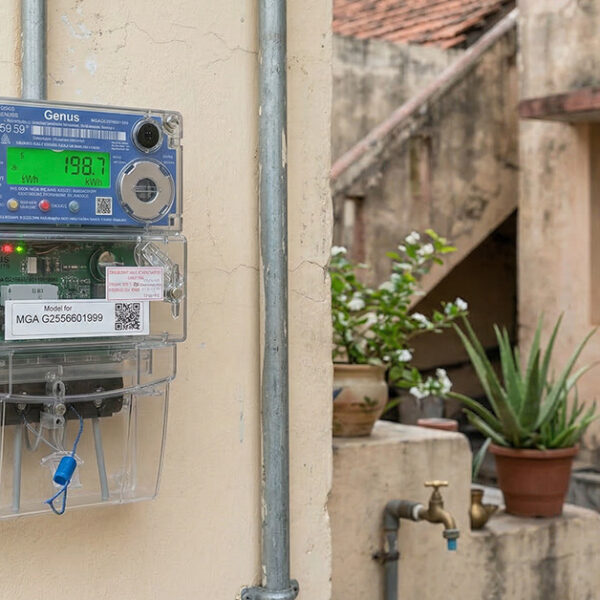


You usually do not think about maintenance until something stops working. In India, this habit costs businesses and communities more money than they realise. From solar plants in villages to commercial buildings in cities, breakdowns rarely come at a convenient time. They arrive suddenly, demand urgent action, and drain budgets fast. This is where preventive maintenance in commercial facilities quietly proves its value, not in theory, but in daily Indian conditions.
In practice, preventive care is less about perfection and more about staying ahead of avoidable trouble.
The Real Cost Gap Nobody Plans For
Preventive maintenance looks boring on paper. Small fees. Regular checks. Scheduled visits. Reactive fixes feel cheaper because you pay only when something breaks. That logic rarely survives real life. In India, emergency repairs almost always cost more due to rush labour, spare part shortages, and downtime penalties.
A major inverter or electrical failure can shut down power for days, and the consequences extend far beyond the cost of repair. In commercial workspaces, no power means no work; valuable man-hours are lost, and productivity comes to a standstill. In retail environments, outages directly translate into lost sales, billing disruptions, and poor customer experience.
For hospitals, airports, and other critical infrastructure, the implications can be far more serious, affecting essential services, safety systems, and overall operational continuity. This is why, in commercial facility management, preventive maintenance is not just a technical requirement but a business necessity; it safeguards revenue, ensures reliability, and protects day-to-day operations.
Downtime Hurts More Than You Think
Preventive maintenance keeps critical systems like diesel generators, HVAC units, and electrical panels working reliably. In offices or retail stores, a DG failure during a power cut can stop billing, lighting, and operations instantly. During busy festive periods, even a few hours of downtime can mean major revenue loss.
Reactive repairs wait for breakdowns. This often leads to higher emergency costs and disrupted business. More importantly, poorly maintained DG sets and electrical panels can pose serious safety risks, including fire hazards and electrical accidents.
Integrated facility management services focus on regular inspections and servicing. This reduces downtime, improves safety, and protects both revenue and people.
Equipment Lasts Longer When You Respect It
Most failures begin as small issues. Loose cables. Minor inverter warnings. Hairline cracks in mounting structures. Without regular inspection, these grow into full breakdowns. Preventive checks slow this process. Inverters last longer. Cables stay safer. Structures survive monsoons and heat waves better.
In India, where replacing imported components can take weeks, extending equipment life is not optional. It is practical thinking. This approach is already embedded in mature Facility Management Services in Kolkata, where older commercial buildings depend heavily on preventive schedules to avoid sudden shutdowns.
Safety Is the Hidden Benefit
Electrical fires rarely announce themselves early. Faulty wiring, overheating connectors, and inverter hotspots develop slowly. Regular inspections catch them before they turn dangerous. In India, safety incidents often escalate due to delayed response or a lack of trained technicians nearby.
Preventive maintenance reduces these risks significantly. This is why integrated facility management services in India increasingly bundle safety audits with routine servicing. Monitoring uses data trends to flag abnormal behaviour early.
In commercial facility management, these steps are coordinated, documented, and reviewed. In rural projects, the same logic applies, adapted to local realities and access.
Why Does This Matter More in Villages?
Rural installations often serve essential needs. A system failure here is not just a technical issue. It affects daily life. Reactive fixes in villages take longer due to distance and logistics. Preventive care reduces these disruptions.
Innovel’s work across India reflects this understanding. Whether supporting rural energy access or urban commercial assets, the philosophy stays the same. Fix less. Observe more. Plan ahead.
A Practical Way to Think About It
Preventive maintenance is not about spending more. It is about spending smarter. You trade occasional discomfort for long-term stability. You replace panic with predictability. That shift alone saves money.
In cities like Kolkata, this thinking has shaped modern Facility Management Services in Kolkata, blending technology with on-ground experience. The same mindset now spreads across India.
FAQs
Is preventive maintenance expensive for small facilities?
No. It usually costs far less than one major breakdown repair or extended downtime.
Does monitoring really help prevent failures?
Yes. Data trends often reveal inverter or cable issues weeks before failure.
Is preventive maintenance useful in rural power projects?
Even more so. It reduces long outages caused by distance and limited technician access.
In the end, preventive maintenance is a mindset shift. It suits Indian realities, unpredictable weather, tight budgets, and high usage demands. If you are unsure what level of care your systems actually need, speaking with an India-based professional who understands local conditions can bring clarity without pressure.