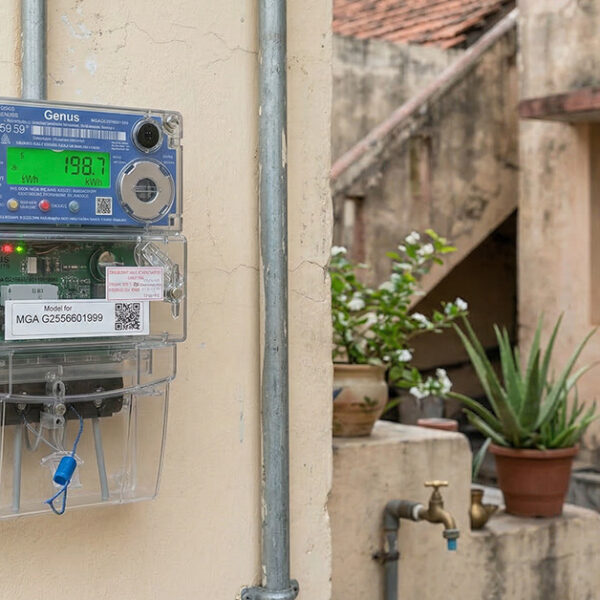

India’s power distribution sector is under constant pressure. Utilities must reduce losses, manage rising demand, handle renewable energy, and still keep tariffs reasonable. In practice, many of the old systems simply cannot cope. This is why utility digital transformation is no longer optional. It has become a practical necessity, and smart metering sits at the centre of this shift.
Across states, utilities are moving away from manual processes and fragmented data. From local projects and pilot deployments, it is clear that smart metering in India is helping utilities work smarter, not harder. The focus is on operational efficiency, but the impact goes much deeper.
Why operational efficiency matters for Indian utilities
Indian DISCOMs operate in a complex environment. High AT&C losses, billing disputes, delayed collections, and manpower constraints are commonly seen in India. Add seasonal demand spikes from heatwaves and growing rooftop solar adoption, and the challenge becomes even bigger.
Operational efficiency is not just about saving money. It affects grid stability, customer trust, and long-term financial health. This is where utility digital transformation through smart meters delivers real value, especially when aligned with schemes like RDSS.
Key drivers pushing smart metering adoption
Reducing AT&C losses in real conditions
Energy theft and leakage remain serious issues in many regions. Traditional meters offer little visibility. Smart meters can detect tampering and unusual consumption patterns early. From field experience, utilities see faster identification of problem feeders and quicker corrective action. This directly supports revenue recovery without aggressive enforcement.
Automating routine operations
Manual meter reading is slow, costly, and error-prone. Rainy seasons, remote locations, and access issues make it worse. Smart meters automate data collection and billing. Utilities benefit from shorter billing cycles and fewer disputes. Over time, manpower can be redeployed to higher-value tasks instead of routine readings.
Better grid management using real data
One of the biggest advantages of smart metering solutions is real-time visibility. Utilities can track load patterns feeder-wise and even transformer-wise. This helps with load balancing, demand forecasting, and quicker outage detection. In practice, response times improve because teams know where the issue is before customers complain.
Data-driven planning, not guesswork
Smart metering creates a steady flow of reliable data. Utilities can analyse consumption trends by area, season, or consumer category. This supports proactive maintenance and smarter infrastructure investments. Instead of reacting to failures, utilities can plan upgrades based on actual usage patterns.
Supporting financial turnaround goals
Financial stress is a long-standing issue for DISCOMs. By reducing losses and improving billing accuracy, smart metering supports better cash flow. This aligns closely with RDSS objectives. Utility digital transformation here is not about technology alone. It is about restoring financial discipline through transparency.
Integrating renewable energy smoothly
Solar power, especially rooftop solar, adds variability to the grid. Smart meters help utilities predict generation and balance supply with demand. This makes renewable integration more manageable and reduces operational surprises. Over time, it supports cleaner energy goals without destabilising the network.
Improving customer service experience
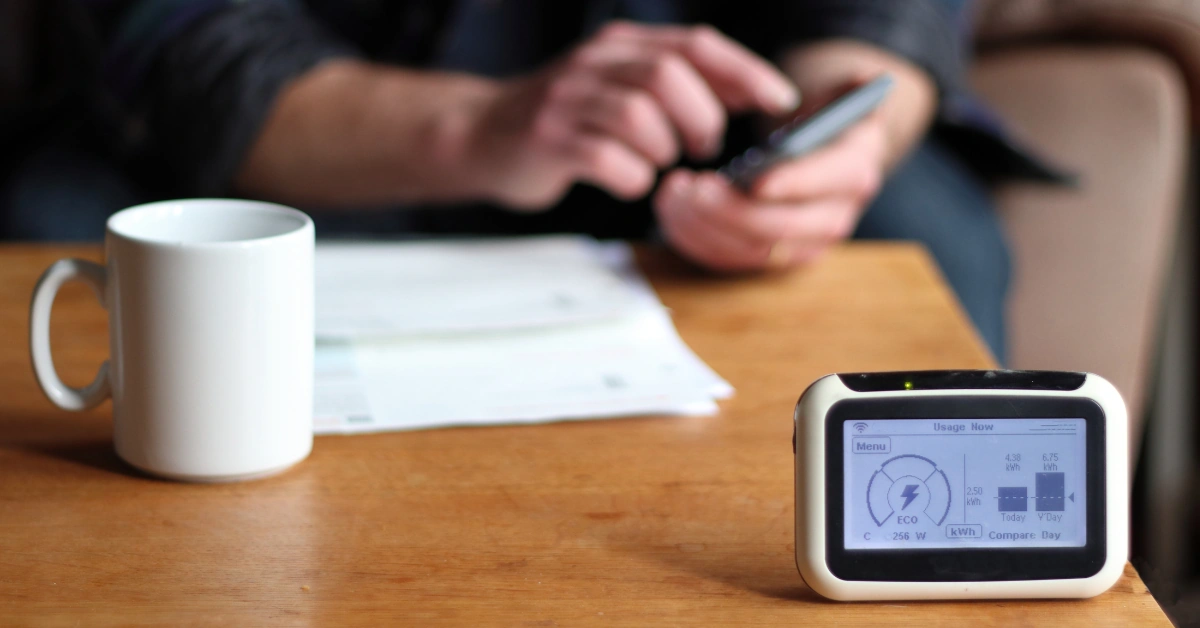
From the consumer side, smart meters enable accurate bills and faster issue resolution. Features like outage alerts and time-of-use pricing give customers more control. In many Indian cities, this has reduced complaints and built trust, which matters for long-term acceptance.
How smart metering actually works on the ground
Smart meters operate as part of an Advanced Metering Infrastructure, or AMI. Each meter communicates usage data through secure networks to the utility system. This creates a two-way flow of information between the consumer and the utility.
Unlike manual systems, data is available in near real time. Commands like remote connection or disconnection can be executed without site visits. In day-to-day operations, this shifts utilities from reactive firefighting to proactive management.
Companies like Innovel design smart metering services with Indian conditions in mind, including network reliability, scale, and regulatory needs. This practical understanding matters during deployment and long-term operations.
Smart metering as a foundation for long-term change
Smart metering is not a standalone upgrade. It is a foundation for broader utility digital transformation. Once reliable data flows are in place, utilities can build advanced analytics, demand response programs, and consumer engagement platforms.
In many Indian projects, the real value appears after the first year, when utilities start using data to change how decisions are made. This is when efficiency gains become sustainable, not just initial improvements.
A realistic view for decision-makers
Smart metering is not without challenges. Integration, consumer awareness, and change management require effort. However, from local deployments, the benefits clearly outweigh the friction when projects are planned well and executed patiently.
Utilities considering smart metering solutions should look beyond short-term targets. The real return comes from consistent use of data and alignment with operational goals, not just meter installation numbers.
FAQs
Is smart metering mandatory in India?
Smart metering is strongly promoted under RDSS, but implementation timelines vary by state and utility priorities.
How does smart metering reduce AT&C losses?
It detects tampering, improves billing accuracy, and provides clear usage data that supports revenue recovery.
Can smart meters handle Indian weather conditions?
Yes, most deployments are designed to operate reliably in heat, humidity, and monsoon conditions.
Do consumers benefit from smart metering?
Consumers get accurate bills, faster issue resolution, and options like time-of-use tariffs.
As Indian utilities continue modernising, smart metering is becoming a practical starting point rather than a future idea. For utilities exploring next steps, speaking with experienced, India-based professionals who understand local grid realities can bring useful clarity without pressure.